
Roof Cooling Dubai
Lower Roof Heat Before It Drives Up Cooling Costs
Reflective roof systems for Dubai roofs that overheat, push heat into the building, and make AC systems work harder than they should.
Why Roof Heat Is a Serious Problem in Dubai
High roof temperature is not only a comfort issue. In Dubai, long exposure to heat and UV radiation can accelerate aging of roofing materials, increase expansion and contraction stress, weaken waterproofing performance over time, and place more load on cooling systems inside the building.
Increased AC and cooling costs
Accelerated membrane and coating aging
Greater thermal stress on roof systems
Higher long-term maintenance risk
How Roof Cooling Systems Work
Reflective roof coatings are designed to reflect a significant portion of incoming solar radiation instead of allowing the roof surface to absorb it. This helps lower roof temperature, reduce heat transfer into the building, and improve overall roof protection in hot-climate environments.
Lower roof surface temperature
Improved indoor thermal comfort
Reduced air-conditioning demand
Better UV protection for roof surfaces
Longer roof service life
Roof cooling systems are commonly considered for:
Where Roof Cooling Is Most Effective
Villas
Warehouses
Commercial Buildings
Industrial Facilities
Large Flat Roofs with Direct Sun Exposure
The right solution depends on roof material, age, waterproofing condition, insulation performance, and overall heat exposure.
System Match
Roof Cooling Depends on Roof Type, Not Just Temperature
For most roofs, the first route is a NuTech system review: Cool Zone for heat reduction, AquaGuard for waterproofing details, and TileFlex where villa roof tiles are part of the scope.
NXT Cool Zone

The default cooling path for exposed roofs: review substrate, heat load and surface condition before specifying the reflective roof coating.
NXT AquaGuard
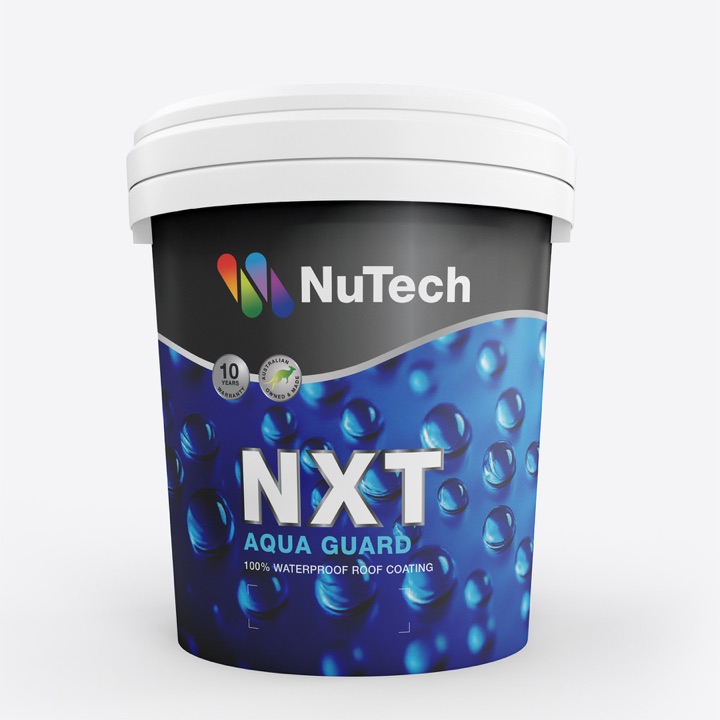
Used when cooling is not enough and the roof also needs waterproofing review around weak details, drains, parapets or AC bases.